
BIM Modelling Services for Existing Buildings
Accurate LOD 300 BIM models for Revit or ArchiCAD, created from 3D site capture and ready for your design workflow.
3D Site Capture → LOD 300 Modelling → Revit / ArchiCAD
Existing Conditions, Ready for Design
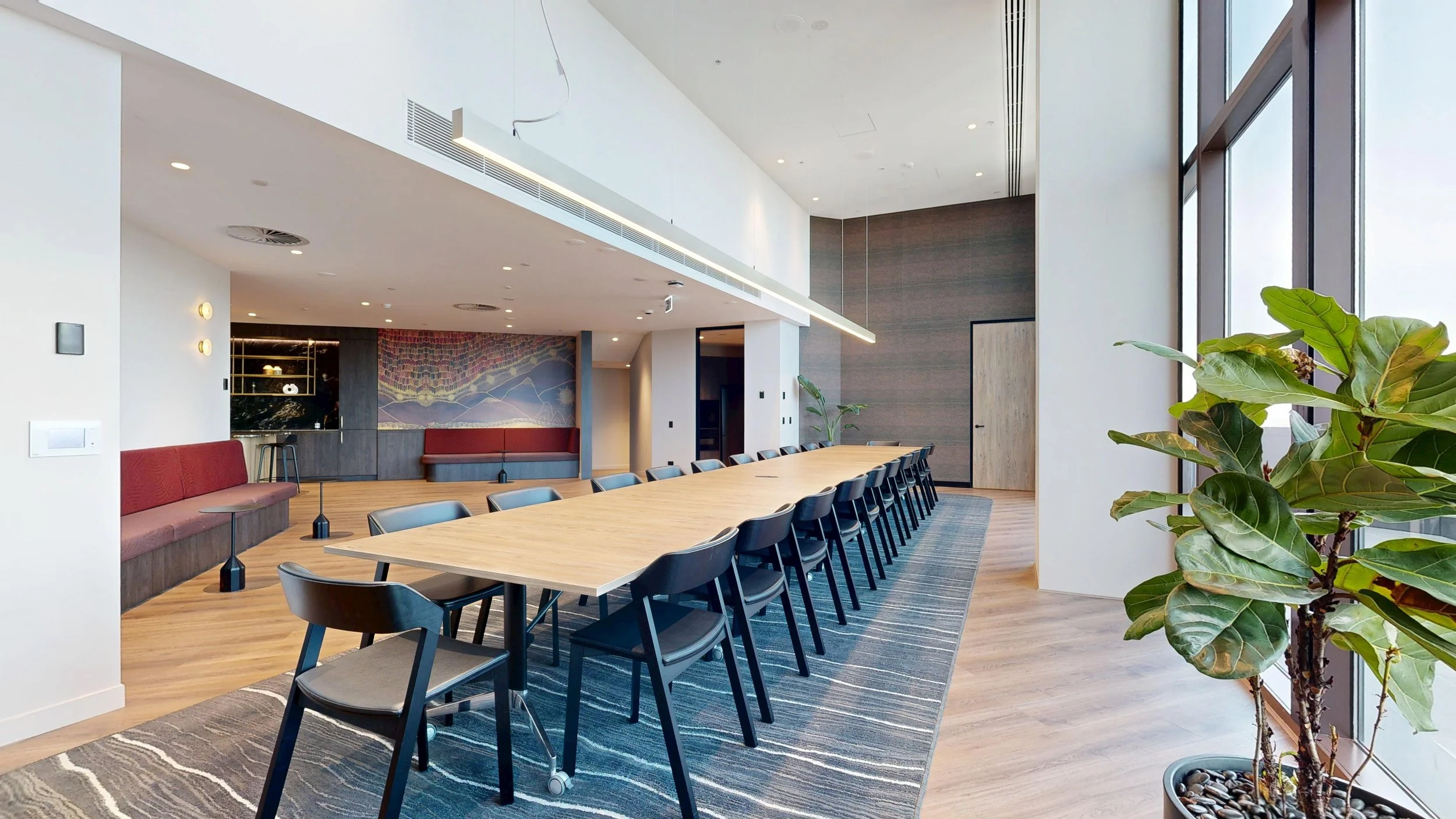
R24 captures existing buildings using Matterport Pro3 LiDAR technology, then uses the captured spatial data to create a structured LOD 300 BIM model in Revit or ArchiCAD, giving architects and designers a reliable starting point for refurbishment, renovation and fit-out projects.
From 3D Capture to Design-Ready BIM
Capture
We capture the existing building using Matterport Pro3 LiDAR, creating an accurate spatial record of the property.
Model
The captured data is used to professionally model the existing building to LOD 300, based on the agreed project scope.
Need 2D documentation as well? CAD/DWG drawings can also be supplied from the same site capture.
Deliver
Receive a design-ready BIM model in Revit or ArchiCAD, ready to integrate into your existing design workflow.
What Can Be Included in Your BIM Model?
Every building and project is different, so the BIM model is scoped around the existing elements your design team needs.
For a typical LOD 300 architectural model, this can include:
Architectural Elements
Walls and wall thicknesses
Floors and floor levels
Ceilings and ceiling heights
Doors and windows
Stairs and ramps
Columns and beams
Roof elements where captured
Fixed cabinetry and built-in elements
Other visible architectural features
Visible Building Services
Where required, visible MEP and building services captured during the site survey can also be modelled, including:
Mechanical services and ductwork
Electrical fixtures and visible services
Plumbing fixtures and exposed pipework
Fire services
Other visible service elements within the agreed scope
Modelled to suit your project
The BIM model is based on elements that are visible and captured during the site survey. Concealed services or elements that cannot be observed are not assumed or modelled unless additional source information is provided.
Accurate, Design-Ready BIM for Existing Buildings
Built for architects and designers who need a reliable digital representation of existing conditions. Our LOD 300 BIM models combine defined modelling accuracy with native Revit or ArchiCAD delivery, ready to use as the starting point for your project.
LOD 300
At LOD 300, building elements are modelled with defined size, shape, location and orientation based on the captured existing conditions. This provides a practical model for refurbishment, renovation and fit-out projects where an accurate understanding of the existing building is essential.
± 12mm Accuracy
For LOD 300 models produced from Matterport Pro3 capture data, our standard modelling tolerance is:
±12mm for clearly visible and accessible building elements.
Accuracy is dependent on site conditions, visibility, accessibility and the information available during capture.
Revit / ArchiCAD
Choose the BIM format that suits your design workflow. Models can be supplied in native Revit or ArchiCAD format, ready for your project team to continue working with.
More Than Just a BIM Model
Every BIM project includes an Interactive Digital Twin, giving your design team a visual record of the existing building alongside the BIM model.
Use the Digital Twin to revisit the property remotely, check visible details, take measurements and view areas in context without relying solely on the model or returning to site.
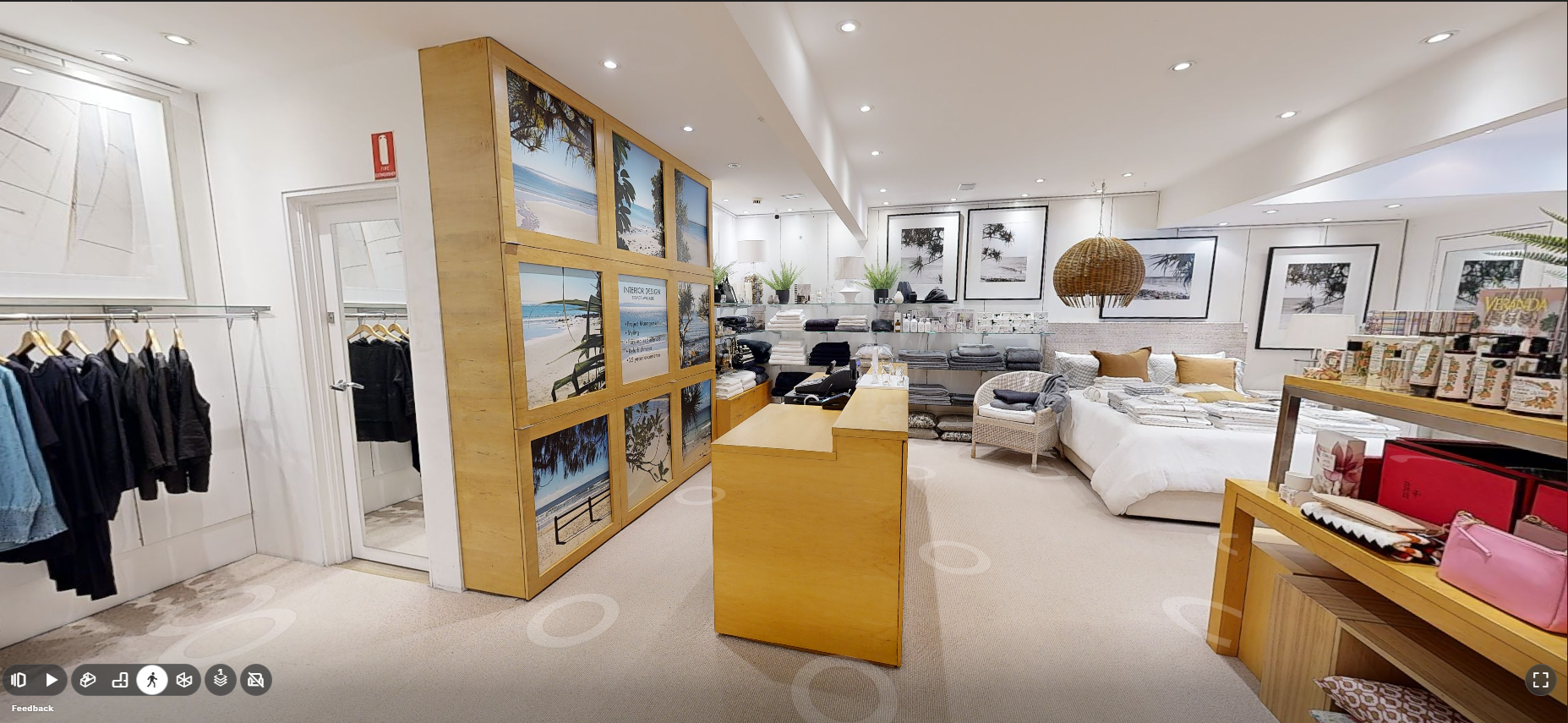
VISUAL REFERENCE
Revisit the existing building remotely and check visible details throughout the design process.
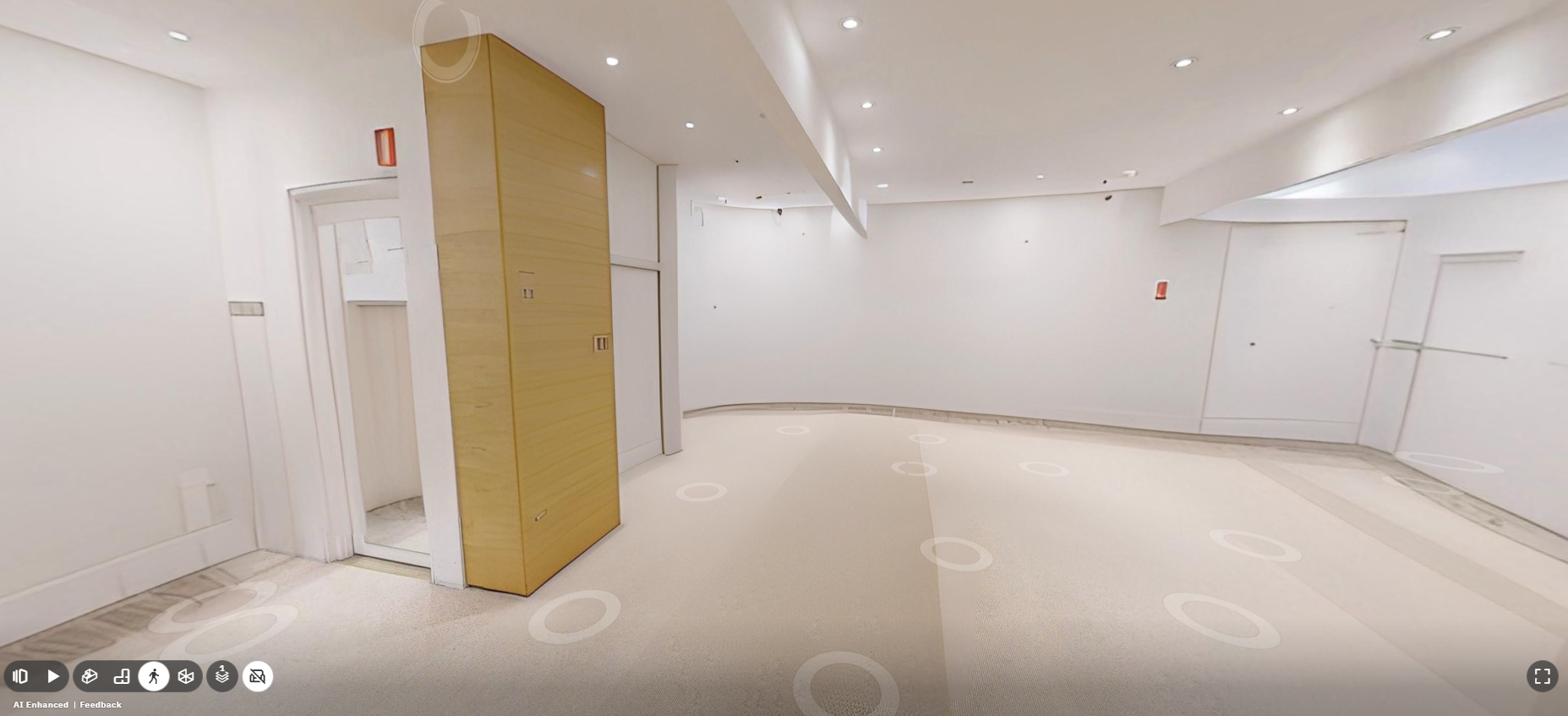
SEE THE BUILDING MORE CLEARLY
Remove furniture digitally to get a clearer view of walls, floors and the underlying building layout.
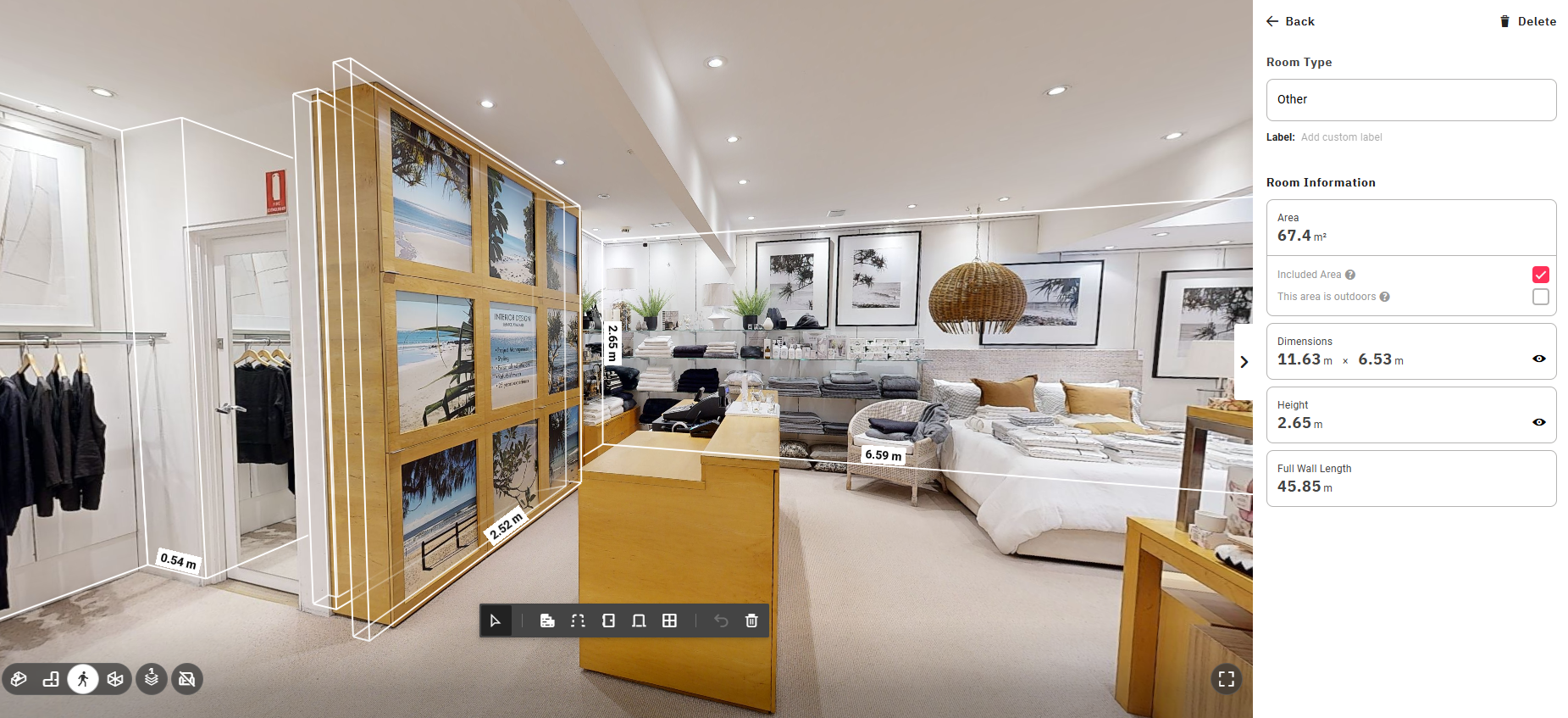
MEASURE REMOTELY
Take additional measurements within the Digital Twin when you need to check dimensions or investigate an area.
BIM Modelling Pricing
Transparent, fixed pricing based on the area to be captured and modelled.
Every package includes professional 3D site capture, an Interactive Digital Twin and an LOD 300 BIM model supplied in Revit or ArchiCAD.
All pricing ex GST
AREA PRICING
Up to 100 sqm $1,450
101–200 sqm $1,650
201–300 sqm $1,950
301–400 sqm $2,250
401–500 sqm $2,550
501–600 sqm $2,850
601–700 sqm $3,150
701–800 sqm $3,450
801–900 sqm $3,750
901–1,000 sqm $4,050
Every BIM package includes:
3D Site Capture • Interactive Digital Twin • LOD 300 BIM Model • Revit or ArchiCAD Delivery
Our BIM models are intended for:
Existing conditions documentation
Concept and design development
Planning, coordination and design decision-making
They are not intended to replace:
Shop drawing verification
Construction set-out
Final trade sign-off measurements
Being upfront about pricing, accuracy and limitations ensures the model is used appropriately and trusted
Architectural refurbishments and renovations
Typical Project Types
This workflow is well suited to:
Commercial and industrial buildings
Education, healthcare, and institutional assets
Multi-tenancy and adaptive reuse projects
Residential projects requiring reliable existing-condition models
Ready to Get Started?
Book your BIM project online. Select the property size, provide your project details and choose your preferred BIM format - Revit or ArchiCAD.
Over 1,000 sqm or have a complex project?
Call John to discuss